
FILM × CRITIC
DIRECT REVIEW / ESSAYTHE APU TRILOGY × GIRISH SHAMBU
Before calling it universal, attend to its particulars
Taking up Girish Shambu’s question, a reading that resists reducing Apu’s world to an emblem of poverty or humanity.
Original sourcesGirish Shambu: The Apu Trilogy: Behind the Universal (2015)Academy of Motion Picture Arts and Sciences: The Apu Trilogy, film programme
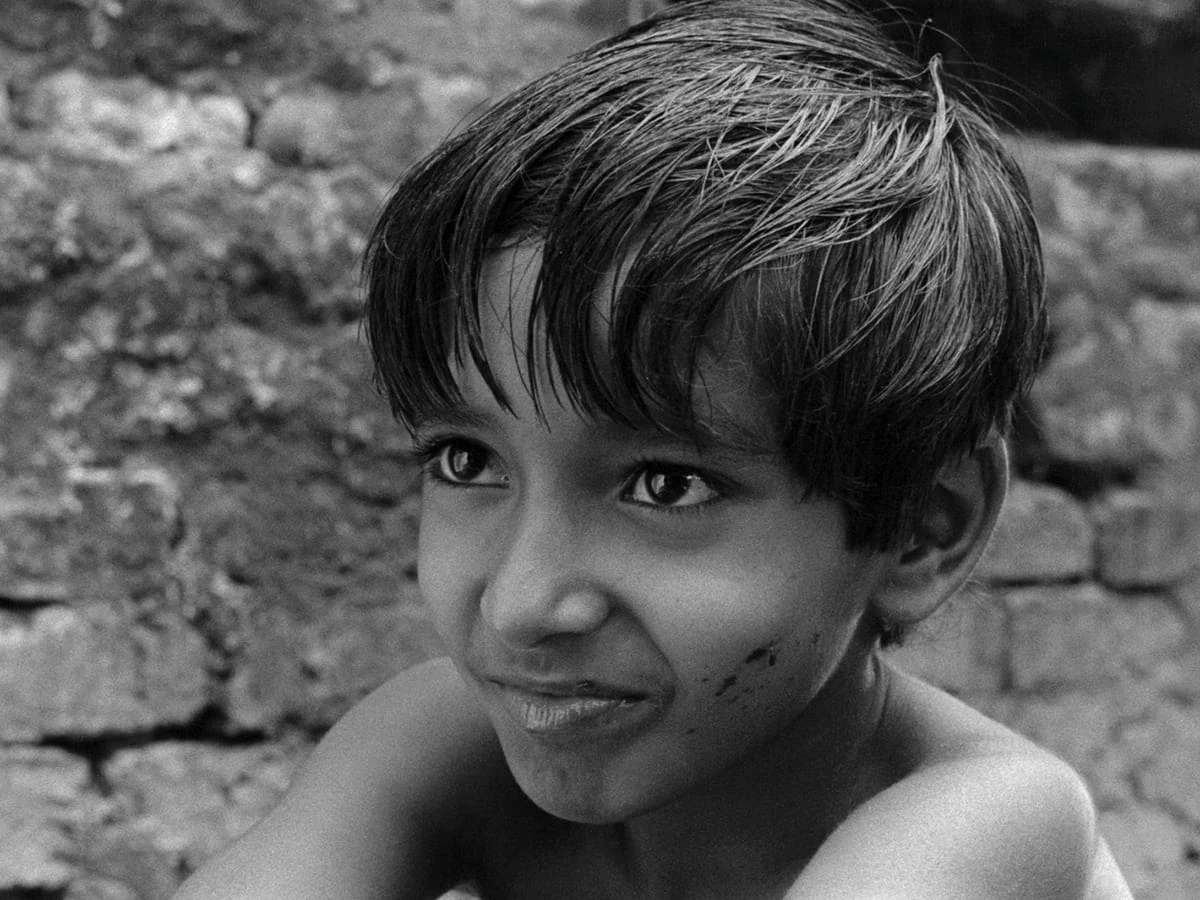
Before calling a film everybody’s story, ask how a particular life enters that ‘everybody.’ Satyajit Ray’s Apu trilogy comprises Pather Panchali, Aparajito, and Apur Sansar, released in 1955, 1956, and 1959 respectively. Apu’s passage from childhood to adult life can produce powerful feelings of recognition. That recognition is valuable. But if its price is the removal of language, family authority, educational aspiration, and specific conditions of livelihood, connection starts to resemble a convenient reconstruction of somebody else’s experience. Emotional familiarity should begin an inquiry into difference, rather than conclude it.
Girish Shambu asks what praise of the trilogy’s universality can leave behind. His discussion addresses the pressure to make Ray represent an entire country and the cultural politics of reception. EYE/ERROR takes that warning as an invitation to more attentive connection, rather than a prohibition on shared feeling. People can respond deeply to unfamiliar lives. The difficulty begins when a life becomes intelligible only after its historical differences have been removed, so that it can serve as an example of an emotion the spectator already knows how to value.
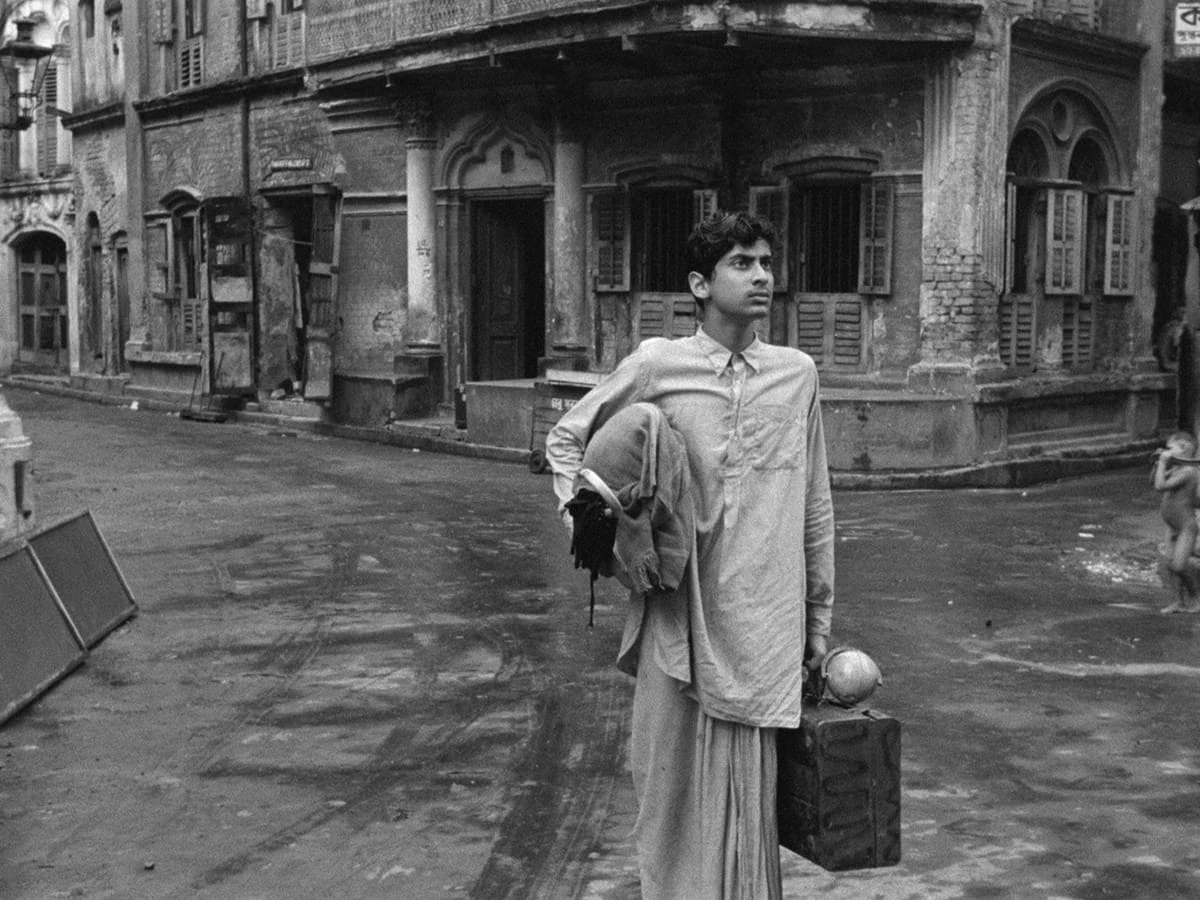
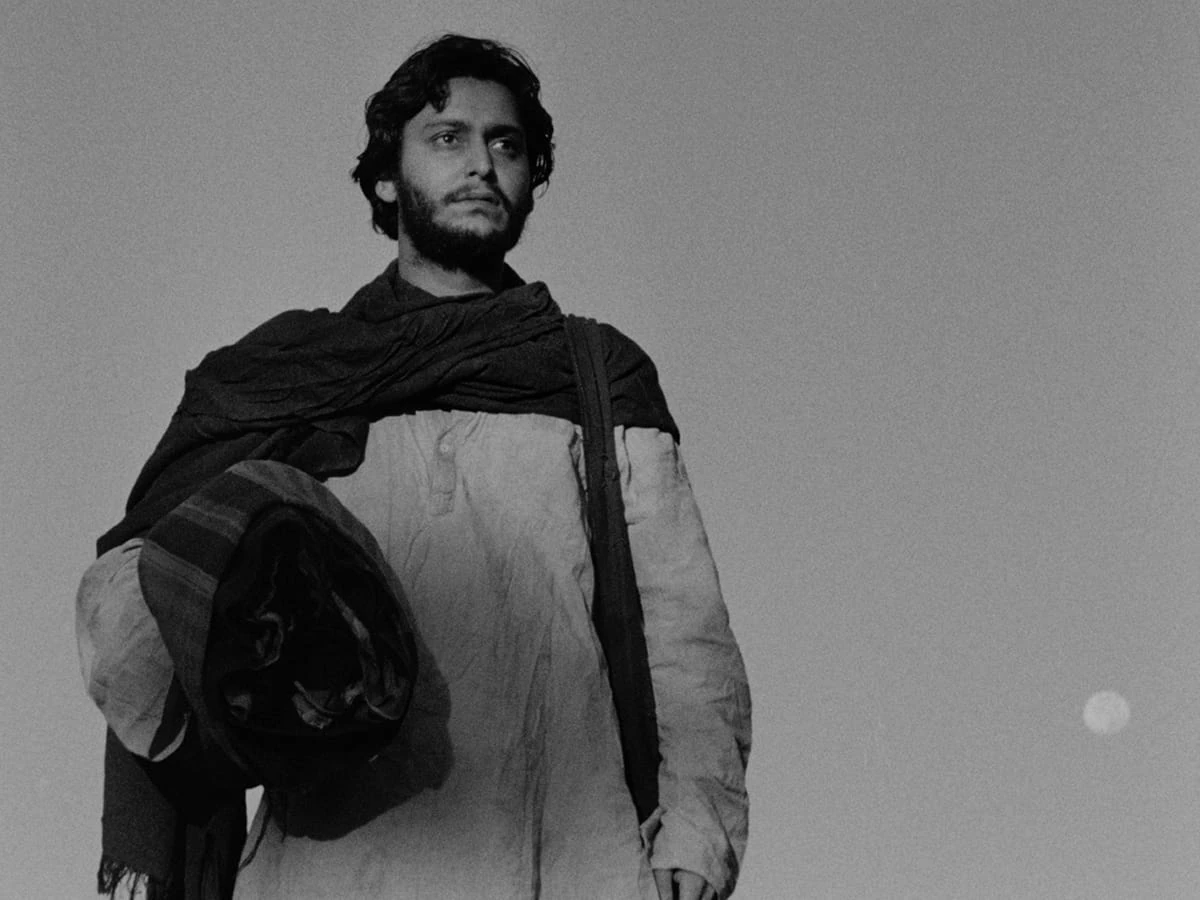
Locality exceeds a collection of visible cultural markers. Whose expectations carry weight in a household? Where can education take someone? Whose labour makes another person’s imagined future possible? Those relations give a place its lived organization. Remove the Bengali setting and speech while retaining only a summary of joy and sorrow, and the causal relations change. In this interpretation, place does more than qualify a story from the outside. It helps constitute which choices can be imagined and who pays for them. Attending to particulars deepens our understanding of an emotion’s causes.
Poverty also requires that care. Making deprivation into picturesque suffering can push competence, anger, resentment, and social relationships into the background. The presence of beauty does not, conversely, cancel material hardship. People living with poverty do not experience every moment as symbols of poverty. We can ask whether a film allows its characters the freedom to desire, misjudge, and act inconsistently, or whether every experience has been given the same function of eliciting compassion. Pity can coexist with inadequate attention. Feeling moved does not by itself demonstrate that a life has been understood.
Treating Apu’s movement and changing relationships as a single ladder of progress risks a further simplification. Education and a new life can enlarge one person’s possibilities while arriving as separation or additional work for another. EYE/ERROR reads development as unevenly distributed, rather than a benefit that automatically travels through a family. A future opening for one character does not carry everybody nearby into the same future. The tension between personal freedom and mutual obligation deserves sustained attention before a critic announces the correct moral verdict on departure, attachment, or ambition.
For young filmmakers, locality need not remain a defensive argument about international recognition. Remove a familiar cultural element from a scene and ask whether the reasons for a decision change or only the decoration. Then revisit a relationship you have explained because an unfamiliar viewer might miss it: can behaviour make it legible without flattening its conditions? The aim is neither cultural enclosure nor a refusal of translation. It is a cinema in which reaching another person does not require erasing the particulars of one’s own life as the preliminary price of admission.
Read the original sources
GO DEEPER