
ORIGINAL CRITICISM / 11
Do the Right Thing
Do the Right Thing
The Criterion Collection / Current · 19 February 2001Read the original essay
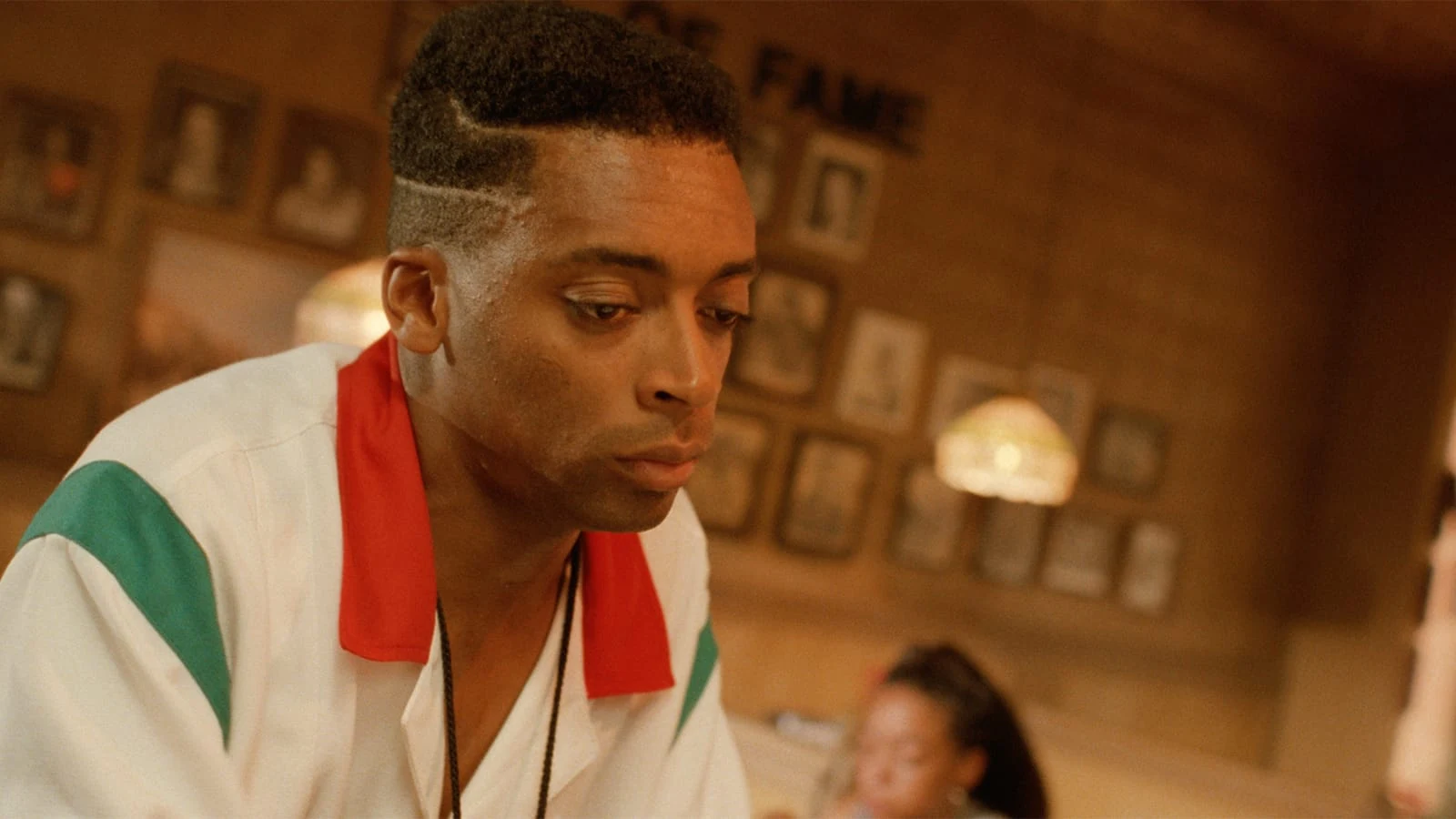
Roger Ebert reads the film as a demanding invitation to empathy rather than an incitement to violence. Understanding a character’s motivation does not mean forgiving every action. Neighborhood familiarity and comedy build attachments that become painful when violence arrives.
His central challenge concerns viewers who register destroyed property more strongly than a human death. Political meaning cannot be detached from Lee’s filmmaking: performance, visual energy, and tonal shifts establish the relationships through which judgment operates. The film’s impact includes confronting the audience with its own priorities.
EYE/ERROR / AFTER READING
Return to the film
- Which character most changes your sympathies?
- Compare how the film directs attention to property damage and human death.
CREDIT AND SOURCE
Do the Right Thing
Roger Ebert · The Criterion Collection / Current · 19 February 2001
Rights in the original criticism belong to its author and rights holders. The original essay is not reproduced on this page.
The Criterion Collection / Current / ORIGINAL ESSAY