
ORIGINAL CRITICISM / 14
Rashomon
The Rashomon Effect
The Criterion Collection / Current · 6 November 2012Read the original essay
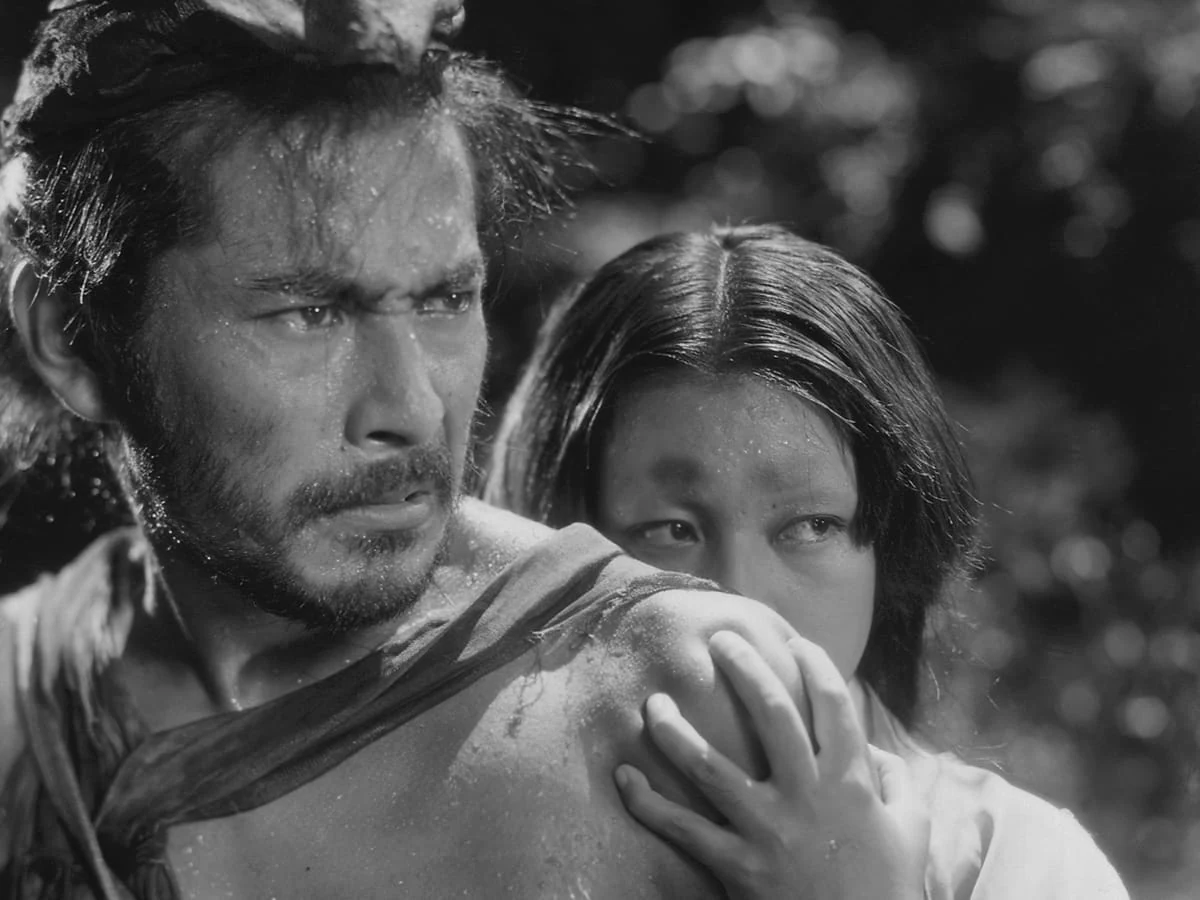
Stephen Prince does not reduce the film’s achievement to contradictory testimony. The different accounts test belief, while Kurosawa’s visual force makes that uncertainty a sensory experience. Unreliable memory becomes something encountered through filmmaking rather than merely announced as an abstract proposition.
The essay considers narrative design alongside style. Forest, light, and movement shape the accounts’ impact; solving a puzzle about the truthful witness would miss that work. Even after the title becomes a familiar cultural shorthand, Prince’s discussion returns attention to the specific cinematic construction.
EYE/ERROR / AFTER READING
Return to the film
- Does the same location look unchanged across different accounts?
- Which visual decision strengthens or weakens a narrator’s credibility?
CREDIT AND SOURCE
The Rashomon Effect
Stephen Prince · The Criterion Collection / Current · 6 November 2012
Rights in the original criticism belong to its author and rights holders. The original essay is not reproduced on this page.
The Criterion Collection / Current / ORIGINAL ESSAY