
ORIGINAL CRITICISM / 01
Close-up
Close-up: Prison and Escape
The Criterion Collection / Current · 22 June 2010Read the original essay
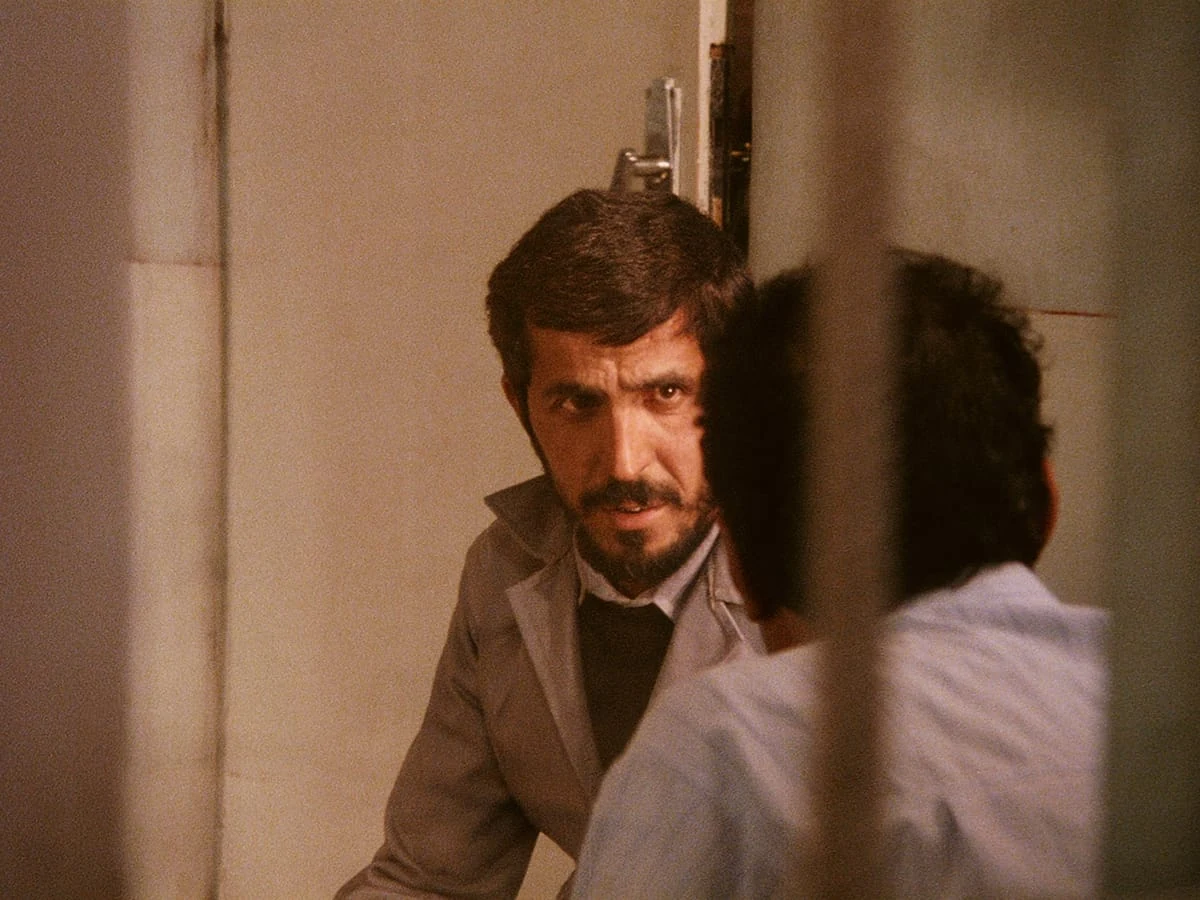
Godfrey Cheshire reads Sabzian’s impersonation through recognition, class, and cinema’s power to offer an alternative identity. The participants’ reenactments prevent a comfortable division between an authentic event and a fictional reconstruction. Their love of filmmaking also shapes what they agree to perform.
Cheshire questions the courtroom camera’s neutrality: Kiarostami intervenes in the proceedings rather than simply witnessing them. By withholding the expected arrest and attending to the taxi driver instead, the film asks viewers to work with incomplete information. Compassion and cinematic manipulation remain entangled.
EYE/ERROR / AFTER READING
Return to the film
- Where does withholding the arrest redirect your attention?
- When does the camera appear to change the process it records?
CREDIT AND SOURCE
Close-up: Prison and Escape
Godfrey Cheshire · The Criterion Collection / Current · 22 June 2010
Rights in the original criticism belong to its author and rights holders. The original essay is not reproduced on this page.
The Criterion Collection / Current / ORIGINAL ESSAY