
ORIGINAL CRITICISM / 03
Black Girl
Black Girl: Self, Possessed
The Criterion Collection / Current · 23 January 2017Read the original essay
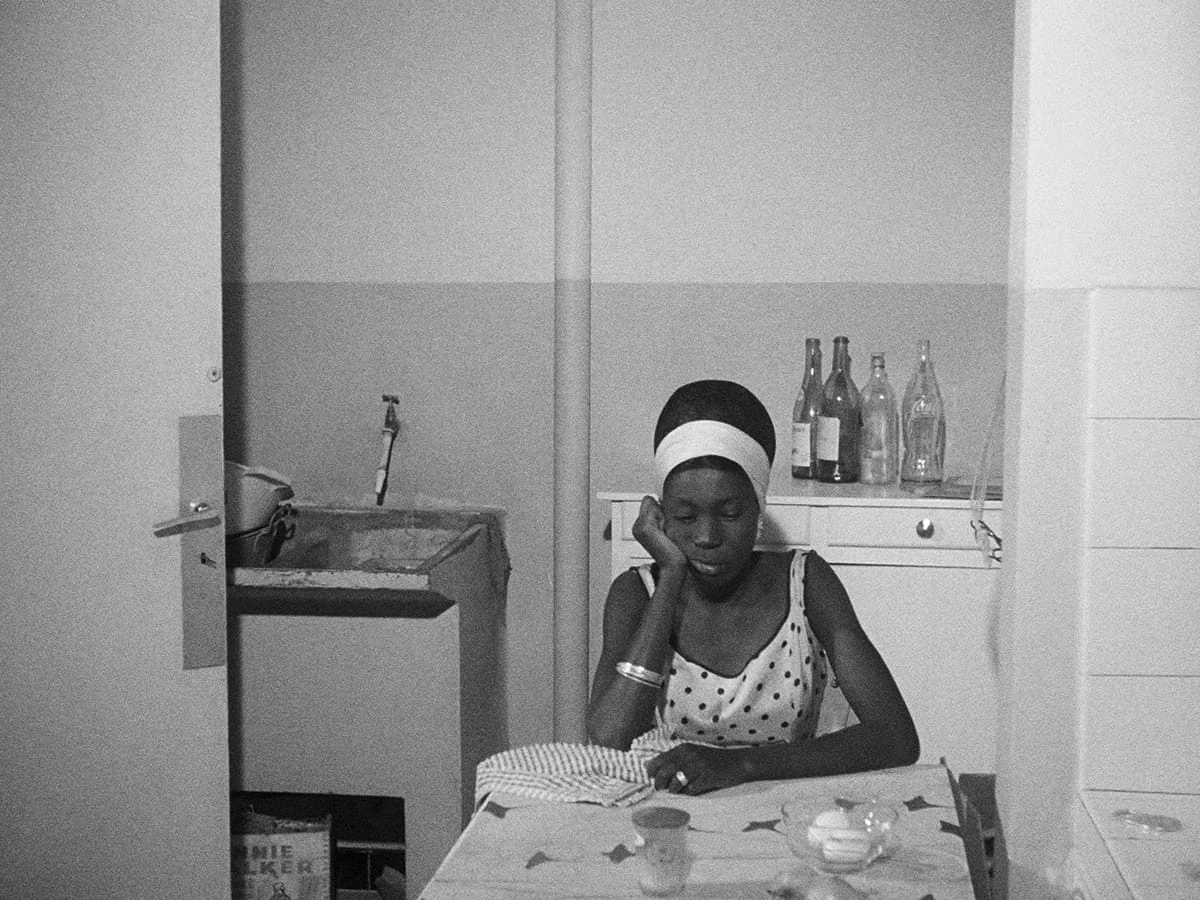
Ashley Clark reads Diouana’s work and isolation through power relations surviving formal decolonization. The promise of employment in France becomes confinement within domestic labor. Sembène makes an African woman’s experience central rather than turning her white employers’ dissatisfaction into the principal drama.
Clark resists reducing Diouana to a symbol of victimhood. Her remembered life, aspirations, and interior voice give political relations a personal dimension. Clothing, household routines, and dinner guests’ behavior expose domination through apparently ordinary encounters. Understatement becomes crucial to the film’s account of violence.
EYE/ERROR / AFTER READING
Return to the film
- When does apparent politeness become control over labor?
- Compare Diouana’s voice with the language others use about her.
CREDIT AND SOURCE
Black Girl: Self, Possessed
Ashley Clark · The Criterion Collection / Current · 23 January 2017
Rights in the original criticism belong to its author and rights holders. The original essay is not reproduced on this page.
The Criterion Collection / Current / ORIGINAL ESSAY